ReelFeel
The Last Light at the Lake
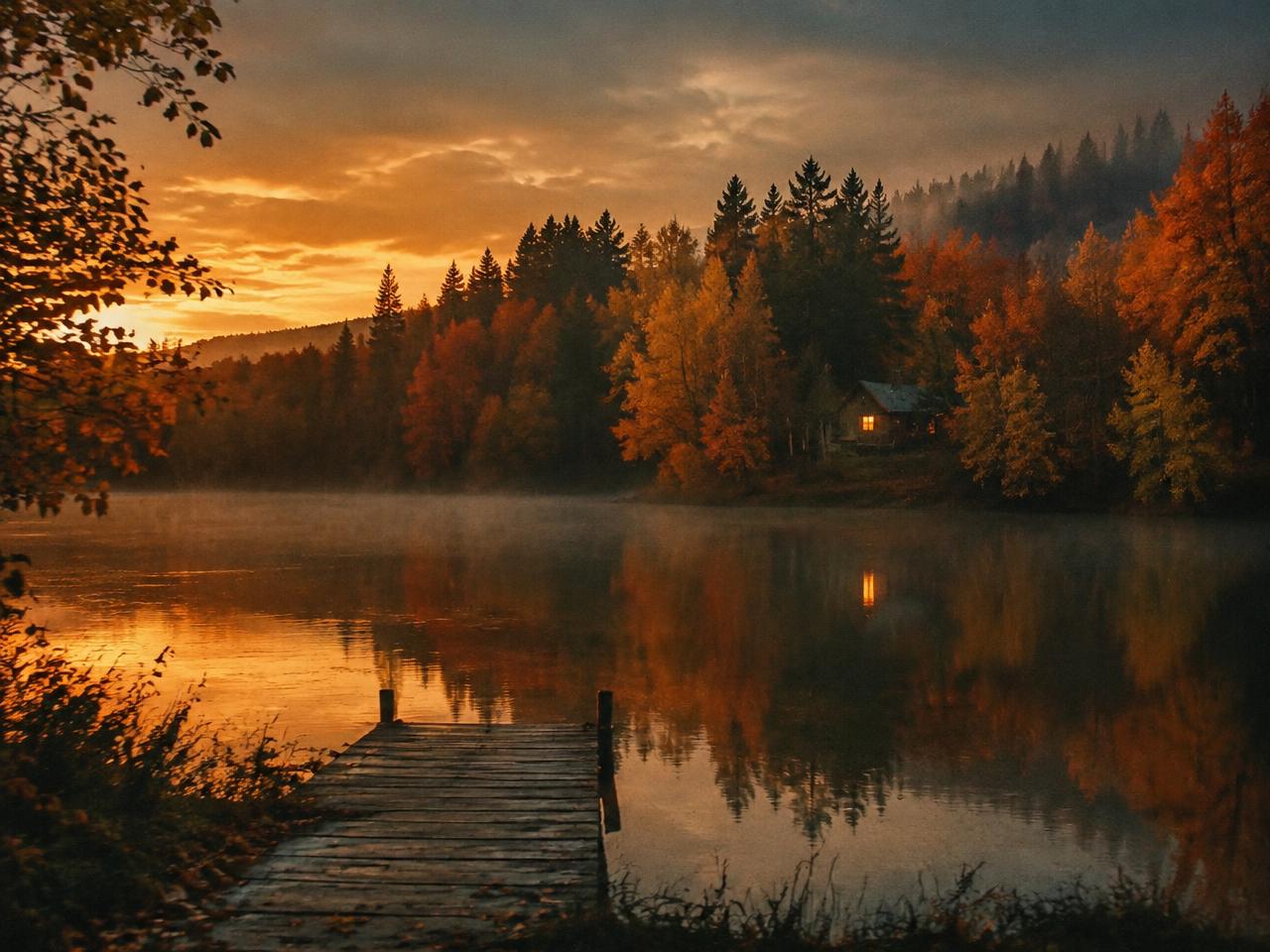
Cozy & Nostalgic
Autumn · 3 min read
After twelve years away, Nora returns to the lake cabin she swore she'd outgrown — and finds a light still burning in the window.
Open the book →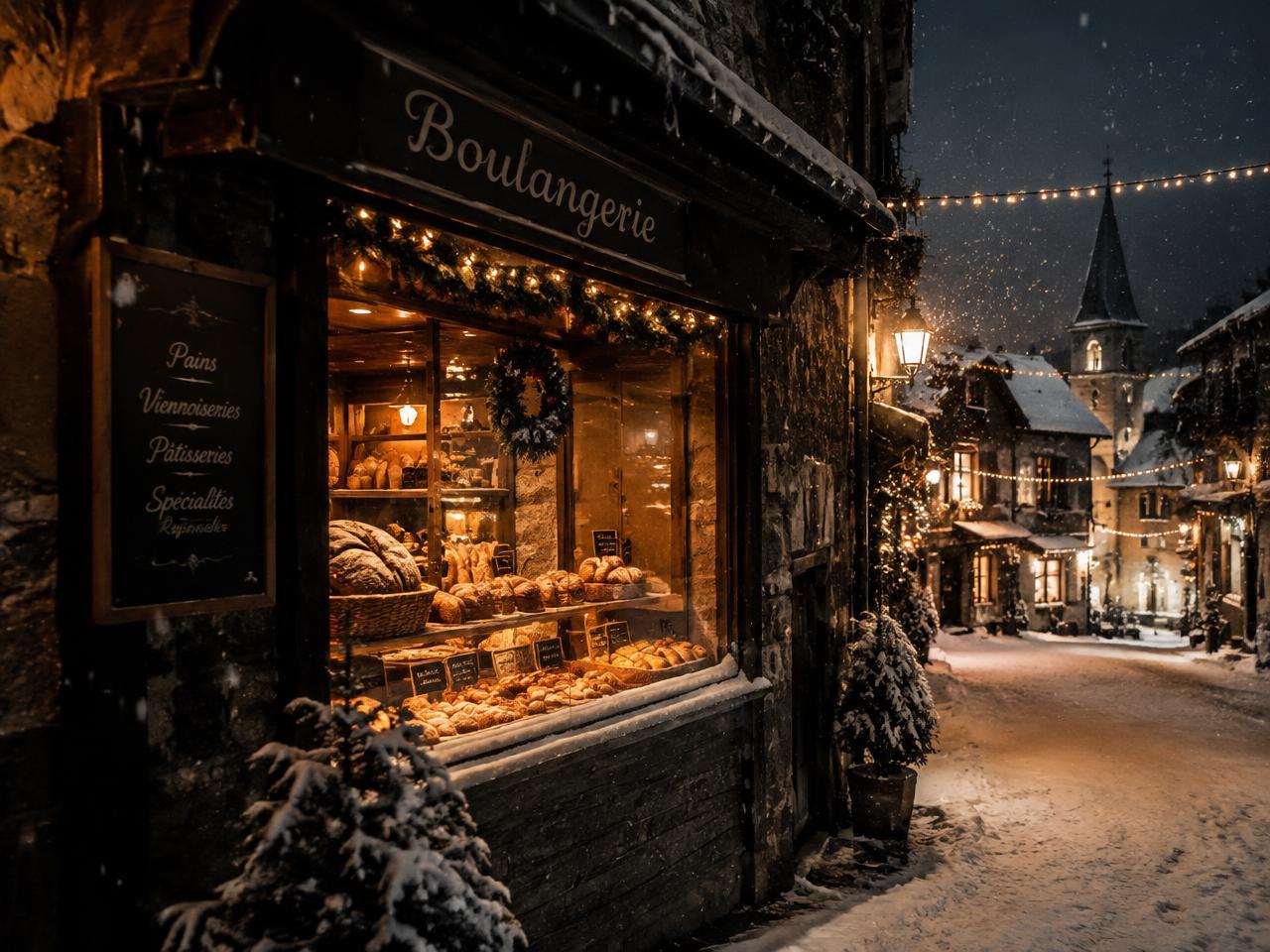
Cozy · Winter · 3 min read
On the snowiest Christmas Eve in forty years, every shop in Saint-Aubin closed early — except one small bakery with its lights still on.
Chapter the First
By four o'clock on Christmas Eve, the snow in Saint-Aubin had stopped being charming and started being serious. It fell in thick, silent curtains, filling the cobbles, softening the edges of the church, burying the bicycles that leaned against the fountain. One by one the shops pulled down their shutters. The butcher, the florist, the little hardware store with its window of tin stars — all of them dimmed and locked and went home.
Only Madame Lefèvre's bakery stayed lit.
She had meant to close at three. Her daughter had called twice, asking when she was coming to the farm for supper, and twice Madame Lefèvre had said, "Soon, soon." But the roads out of the village had already closed, and through the frosted glass she could see the bus shelter at the end of the street, where a young man in a too-thin coat had been standing for nearly an hour.
The bus was not coming. Everyone knew it. Everyone except, apparently, him.
At half past four, she wrapped a scarf around her head, took a paper bag of still-warm brioche, and crossed the street. Up close, he was younger than she'd thought — twenty, perhaps — with a duffel bag at his feet and a phone with a cracked screen that showed no signal at all.
"The bus isn't running," she said gently. "Nothing is, tonight."
He looked at her the way people look when the last plan has quietly failed. "I was trying to get to my grandmother's," he said. "In Montclar. I told her I'd be there for dinner. It's the first Christmas since my grandfather." He stopped, embarrassed.
Madame Lefèvre pressed the bag into his hands. "Come inside," she said. "There's a telephone that works, and an oven that's still hot."
The bakery smelled of butter and orange peel and burnt sugar. She sat him by the radiator and handed him the old rotary phone from behind the counter. While he called, she pretended to tidy the shelves and did not listen to him telling his grandmother he was sorry, that he'd tried, that he would come tomorrow, the day after, as soon as the snow allowed.
When he hung up, his eyes were wet. "She said she'd made too much food anyway," he said, trying to smile.
Madame Lefèvre looked at the trays around her — the last loaves no one would buy, a bûche de Noël she'd made on a whim, three dozen little almond biscuits. Then she looked out at the street, where she could see, here and there, a lit window: old Monsieur Bastien, who lived alone; the nurse who had just finished a double shift; the family from the flat above the pharmacy, whose car was buried to the roof.
"So have I," she said.
By six, the bakery was full. Monsieur Bastien arrived with a bottle of cider. The nurse brought a guitar she could barely play. The pharmacy children sat under the counter eating biscuits and making snow angels in the spilled flour. Someone found candles. Someone else found a radio station playing carols, crackling, half-lost in the storm.
The young man, whose name turned out to be Théo, washed every tray without being asked. At one point Madame Lefèvre caught him at the telephone again, holding it up so his grandmother could hear the singing.
Near midnight the snow finally slowed. The church bell rang through the white hush, muffled and beautiful. People wrapped up leftovers, hugged in the doorway, stepped out into knee-deep drifts laughing.
Théo was the last to leave. He hesitated on the step. "Why did you stay open?" he asked.
Madame Lefèvre turned off the oven and considered the question. "A bakery is just a warm room with bread in it," she said finally. "On a night like this, that's the most important thing in the world."
Two days later, the roads cleared. A week after that, a parcel arrived at the bakery with a Montclar postmark. Inside was a jar of homemade quince jam and a card in shaky, elegant handwriting: Thank you for keeping my boy warm. Next Christmas, the table is set for you.
Finis
ReelFeel
Cozy & Nostalgic
Autumn · 3 min read
After twelve years away, Nora returns to the lake cabin she swore she'd outgrown — and finds a light still burning in the window.
Open the book →ReelFeel
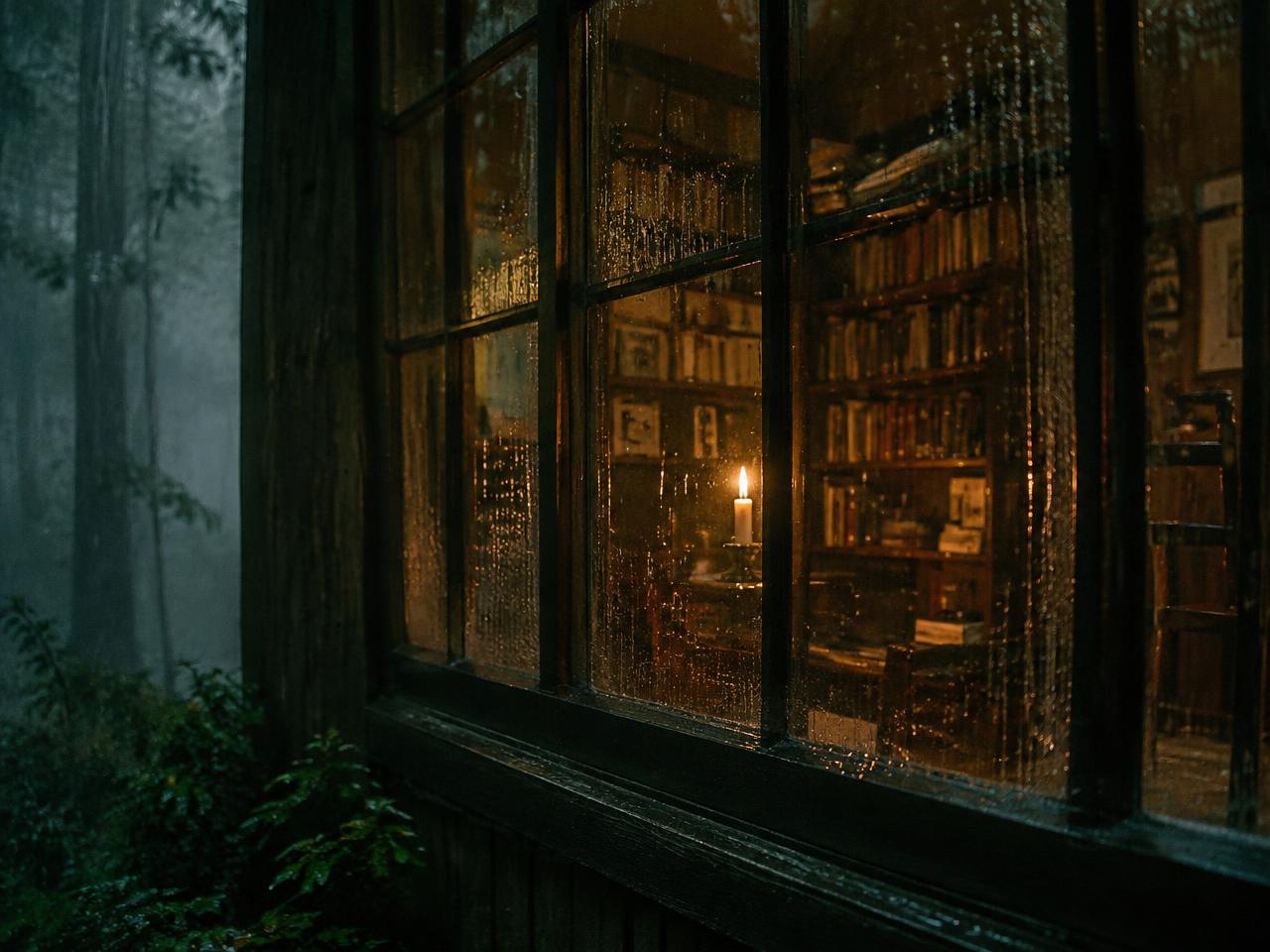
Mysterious & Cozy
Spring · 3 min read
Deep in the pines stands a library with no opening hours, a single candle in the window, and books that seem to know who is coming.
Open the book →